
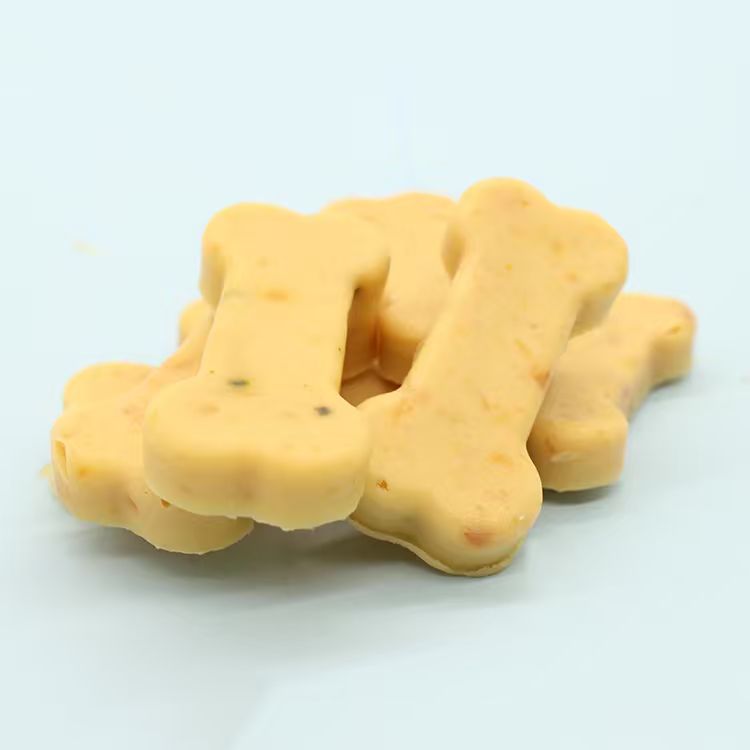
Importing pet treats into Singapore requires aligning three things at the same time: AVS (Animal & Veterinary Service) import documentation, the documentary path your specific product triggers, and a private-label packaging / MOQ / sample plan with a real China-side partner. Buyers planning a Singapore launch — distributors, brand owners and OEM/Private Label project leads — often struggle to consolidate these into one practical project plan, especially when the product contains meat and the manufacturing source is in a non-scheduled country.
The risk is not exotic: late shipment detentions, rejected consignments, mis-aligned MOQs and packaging rework all cost time and money before a single pack reaches a Singapore shelf.
Why It Matters
Singapore maintains clear, well-documented import controls for pet food, including pet treats and supplements. The headline items a buyer should plan around are:
- A Cargo Clearance Permit (CCP) is required for every consignment of pet food, treats and supplements. The CCP also serves as the AVS import permit.
- Pet treats containing meat generally require a Health Certificate issued by the veterinary authority of the exporting country, alongside the standard shipping set (Commercial Invoice, Packing List, Bill of Lading / AWB).
- Pet treats not containing meat are handled under a different document set, led by a Manufacturer’s Declaration confirming no meat/meat products and intended for pet or non-food-producing animal consumption, plus an ingredient list.
- For pet food (including treats) containing meat and manufactured in a non-scheduled country, AVS generally requires pre-import approval of the source, covering both the product and the manufacturing plant.
- Effective 27 April 2026, AVS included heat-treated feed for non-food-producing animals manufactured in China in a one-year self-declaration pilot. The self-declaration must be submitted before the consignment arrives in Singapore.
These facts mean a Singapore pet-treat project is document-driven from day one — and that the documentary path can shift based on a single ingredient decision (meat vs. non-meat) and on the manufacturing source.
How Buyers Reduce the Risk
A buyer cannot eliminate regulatory steps, but they can eliminate surprises. Three disciplines consistently reduce risk on Singapore pet-treat projects:
1. Document discipline. Build a per-shipment checklist early and freeze it. Useful reference points from AVS:
- Every consignment needs a CCP; the TradeNet declaration is normally processed in about 1 working day.
- Consignments without a CCP may be detained and disposed of.
- A standard permit fee (e.g. S$22 per permit where the fee applies) is a small operational line item; it can change and should be re-checked each project.
The supporting documents split into two paths:
- Meat-containing treats: Health Certificate from the exporting-country veterinary authority + Commercial Invoice + Packing List + Bill of Lading / AWB.
- Non-meat treats: Manufacturer’s Declaration + ingredient list + Commercial Invoice + Packing List + Bill of Lading / AWB.
2. Source qualification. Confirm the documentary path against the specific product and manufacturing source before locking a purchase order.
- If the product contains meat and the plant is in a non-scheduled country, plan for AVS pre-import approval (product + plant).
- If the product is an eligible heat-treated pet treat manufactured in China and falls under the current pilot, the self-declaration route may apply — submit before the consignment arrives.
3. Logistics realism. The factory timeline is only part of the project clock. Allow separately for international transport, customs clearance and the documentary hand-offs. Building a buffer into the launch plan protects in-market dates more reliably than negotiating the factory calendar.
What a Reliable Supplier Should Provide
Note: The importer retains primary regulatory responsibility for clearing AVS and meeting Singapore requirements. A supplier supports documentation and provides product-level information; it does not make regulatory determinations for the destination market.
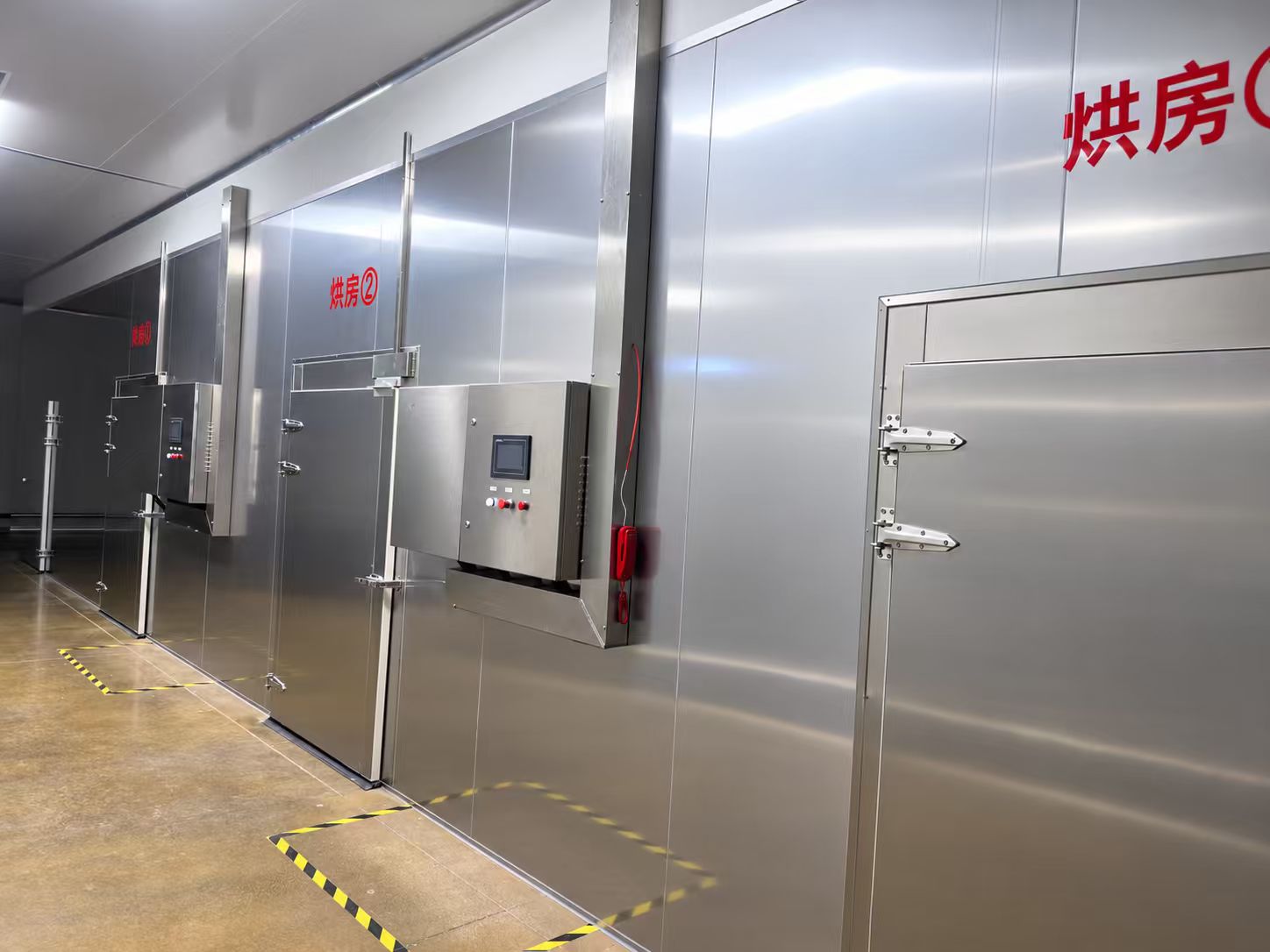
For an international buyer, a reliable China-side private-label partner should be able to:
- Confirm, at the product level, whether the target product contains meat or is meat-free, and provide the ingredient list and typical spec sheet so the importer’s regulatory adviser can identify the matching documentary path;
- Provide product-level ingredient lists, typical spec sheets and packaging options;
- Align on a realistic MOQ, sample lead time and bulk lead time;
- Support OEM / Private Label and packaging customization coordination;
- Provide FOB Qingdao export service and cooperate with the buyer’s nominated forwarder for documentation hand-off.
For HEYUAN PET B2B projects, the reference figures are:
- MOQ: approximately 200 kg, subject to product and packaging;
- Samples: approximately 10 days;
- Bulk production: approximately 30–40 days;
- Trade term: FOB Qingdao, China.
Actual figures depend on the selected product, packaging requirements and final project confirmation. Buyers evaluating a new product or market should share the target product, package size, destination market and expected quantity so a practical trial-order plan can be discussed.
Practical Next Step
To prepare a Singapore-ready private-label pet-treat project, share with your supply partner:
- Target product (and whether it contains meat);
- Package size and packaging format;
- Destination market and expected launch window;
- Expected first-order quantity.
These four points let a supplier align MOQ, sample planning, packaging and the documentary hand-off, and let the importer confirm the timeline against AVS requirements with their own regulatory adviser.
Discussing a Singapore Pet-Treat Project?
Send us your target product, package size, expected order quantity and launch plan.
HEYUAN PET can review the project information with you, identify the relevant documentation points, and discuss the next practical step for sampling, quotation and trial-order planning.
Discuss Your Singapore Project
Already clear on your product and packaging? Request a quotation directly, or ask about samples before finalising the trial-order plan.