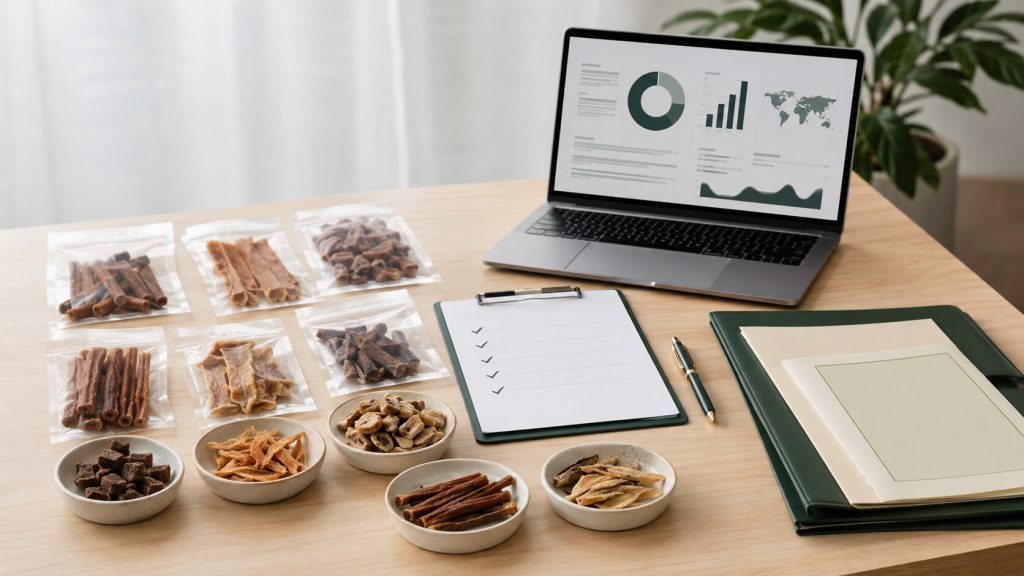
Проверка поставщика не должна начинаться с логотипа сертификата и заканчиваться удачным образцом. Для покупателей лакомств для питомцев настоящий вопрос в том, относятся ли компания, производственная площадка, продукт, документы и согласованные механизмы контроля заказа к одной и той же схеме поставок.
Это руководство предлагает практичный процесс проверки перед размещением заказа. Оно предназначено для импортёров, дистрибьюторов и брендов, оценивающих лакомства для питомцев из Китая. Руководство не заменяет юридическую консультацию или проверку нормативных требований рынка сбыта; требования различаются в зависимости от продукта и страны.
Почему проверка поставщика важна
Проверка защищает обе стороны. Она помогает покупателю избежать предотвратимых проблем с соответствием требованиям, качеством и доставкой, а серьёзному поставщику даёт ясный стандарт, на основе которого он может продемонстрировать свои возможности.
Для Соединённых Штатов правило FDA о программах проверки иностранных поставщиков (FSVP) требует, чтобы большинство охваченных импортёров выполняли мероприятия по оценке рисков, подтверждая, что импортируемые продукты питания для людей и животных произведены в соответствии с применимыми требованиями безопасности США. Этот принцип полезен далеко за пределами одного рынка: одобрение должно опираться на факты, относящиеся к продукту, производственной площадке и стране назначения, — а не только на коммерческую презентацию.
1. Определите каждую сторону цепочки поставок
Попросите поставщика письменно указать:
- юридическое название и зарегистрированный адрес компании-контрагента, выставляющей счета;
- юридическое название и адрес фактической производственной площадки;
- какая сторона владеет спецификацией продукта и утверждает изменения;
- какая сторона управляет образцами, упаковкой, экспортными документами и претензиями;
- какая сторона будет указана в договоре, инвойсе, упаковочном листе и других документах.
Торговая или экспортная компания — не повод для тревоги сам по себе, как и фабрика не является автоматически низкорисковым вариантом. Важны прозрачность, полномочия, контроль и ответственность. Покупателю следует понимать, кто производит продукт и кто отвечает за исполнение заказа.
2. Проверьте юридическое лицо самостоятельно
Сравните название компании в бизнес-лицензии, банковском счёте, коммерческом предложении, договоре и инвойсе. Расхождения могут иметь законное объяснение, но оно должно быть дано до оплаты.
По возможности подтвердите компанию через официальный реестр юридических лиц. При проверке важной информации используйте контактные данные, полученные независимо, — а не только телефон или ссылку из сообщения. Если платёжные реквизиты меняются, подтверждайте их через второй доверенный канал.
3. Проверяйте сертификаты дальше логотипа
Изображение сертификата на сайте — лишь отправная точка. Запросите полный документ и проверьте:
- держателя сертификата и адрес производственной площадки;
- стандарт и его версию;
- орган по сертификации;
- даты выдачи и окончания срока действия;
- охваченные продукты и область деятельности;
- номер сертификата и официальный способ проверки.
GFSI разъясняет, что не выдаёт сертификаты самостоятельно; их выдают органы по сертификации по признанным GFSI программам. Покупателям следует убедиться, что программа и область сертификации соответствуют фактической деятельности поставщика. Для сертификатов BRCGS официальным каналом проверки служит BRCGS Directory.
Действующий сертификат для одной площадки, вида деятельности или категории продуктов нельзя автоматически распространять на другие. Задайте простой вопрос: распространяется ли этот сертификат на площадку и на то лакомство для питомцев, которое я собираюсь купить?
4. Привяжите образец к письменной спецификации
Хороший образец полезен, но он не является полным производственным стандартом. Прежде чем его утвердить, составьте или подтвердите письменную спецификацию, охватывающую характеристики, значимые для вашего проекта, например:
- название продукта и SKU;
- декларацию ингредиентов и допустимые допуски;
- размеры, вес, внешний вид, запах и текстуру;
- влажность или иные согласованные аналитические пределы;
- микробиологические и химические требования;
- формат упаковки, нетто-вес, запайку и конфигурацию коробки;
- срок годности, условия хранения и кодирование партий;
- требования к этикетке и испытаниям на рынке сбыта.
Зафиксируйте, какой образец утверждён, и по возможности сохраните контрольный образец. Любое последующее изменение ингредиентов, процесса, площадки, спецификации или упаковки должно требовать письменного одобрения.
5. Рассмотрите продуктовый риск и план проверки
Не каждому продукту нужны одинаковые меры контроля. Источник белка, метод обработки, влажность, целевое животное, упаковка и правила страны назначения могут влиять на план проверки.
Обсудите, какие документы и мероприятия уместны: записи об одобрении поставщика, контроль процессов, испытания продукции, сертификаты анализа, инспекция третьей стороной, аудит площадки или проверка перед отгрузкой. COA следует оценивать на соответствие согласованным пределам; его не следует собирать как декоративный документ.
6. Подтвердите требования рынка сбыта до приёма заказа
Не откладывайте вопрос о возможности ввоза продукта на рынок до момента отгрузки. До приёма заказа определите:
- обязанности импортёра и нормативные требования;
- регистрации, одобрения или разрешения для площадок или продуктов;
- ограничения по ингредиентам и допустимые заявления;
- язык этикетки и обязательные элементы маркировки;
- необходимые испытания, санитарные документы, сертификаты или декларации;
- таможенную классификацию и документальные требования.
Для продуктов, предназначенных в США, соответствующим импортёрам следует определить, как к их конкретной схеме применяются регистрация производственных площадок FDA, требования к кормам для животных и обязательства FSVP. В других рынках действуют собственные ведомства и правила.
7. Зафиксируйте коммерческие договорённости письменно
Многие споры начинаются с допущения, которое никто не записал. Коммерческое предложение или договор должны ясно раскрывать:
- продукт, спецификацию и ссылку на утверждённый образец;
- MOQ и допустимые отклонения по количеству;
- цену за единицу, валюту и срок действия предложения;
- упаковку, утверждение макетов и ответственность за печать;
- сроки производства и отгрузки, включая момент, с которого отсчитывается срок;
- этапы оплаты и проверенные банковские реквизиты;
- Инкотермс и названное место;
- требования к инспекции, документам и приёмке;
- управление изменениями, работу с несоответствиями и претензиями.
Такие формулировки, как «стандартное качество», «экспортная упаковка» или «доставка в ближайшее время», не измеримы. Замените их спецификациями, датами, зонами ответственности и критериями приёмки.
8. Начните с контролируемого пробного заказа
Пробный заказ — это проверка не только продукта. Это проверка рабочих отношений в целом: коммуникации, работы с образцами, утверждения макетов, отчётов о производстве, точности документов, упаковки, отгрузки и реакции на изменения.
Оцените результат по письменным критериям. Если поставщик ведёт небольшой заказ последовательно и прозрачно, у покупателя появляется больше оснований для решения о масштабировании.
Тревожные признаки, требующие паузы
- отказ назвать фактическую производственную площадку;
- названия компании, сертификата, инвойса и банка не совпадают и не объясняются;
- область действия или срок действия сертификата невозможно подтвердить независимо;
- давление с требованием оплатить до согласования спецификаций и документов;
- заявления, что любой рынок или любой документ покрыт автоматически;
- необъяснённые изменения ингредиентов, упаковки, производственной площадки или платёжного счёта;
- ответы остаются устными, хотя запрошено письменное подтверждение.
Практичный чек-лист перед заказом
- Компания-контрагент проверена.
- Производственная площадка определена и уполномочена.
- Сертификаты проверены: держатель, площадка, область действия, срок.
- Требования к продукту и рынку назначения рассмотрены.
- Утверждённый образец привязан к письменной спецификации.
- План испытаний, инспекции и документов согласован.
- Упаковка и макеты утверждены письменно.
- MOQ, цена, сроки, оплата и Инкотермс подтверждены.
- Процесс управления изменениями и несоответствиями согласован.
- Критерии приёмки пробного заказа определены.
Как HEYUAN PET применяет этот подход
HEYUAN PET базируется в Вэйфане — важном кластере производства и экспорта кормов для питомцев на севере Китая. Компания поставляет международным покупателям лакомства, произведённые в Вэйфане, и управляет полным циклом заказа — от подбора продукции и подтверждения спецификаций до контроля производства, контроля качества, приёмки перед отгрузкой, экспортной документации, доставки и послепродажного обслуживания.
Перед принятием проекта мы подтверждаем с покупателем выбранный продукт, спецификации, упаковку, MOQ, применимую документацию, требования рынка назначения, порядок инспекции и план доставки.
Наша цель — не попросить покупателя пропустить проверку. Наша цель — сделать закупки, проверку и исполнение заказа более ясными и эффективными благодаря точной информации, определённым требованиям и прослеживаемым записям заказа.
Оцениваете продукт из линейки лакомств для питомцев или проект OEM? Посмотрите наши отобранные лакомства для питомцев, изучите наш подход к качеству и документации, ознакомьтесь с поддержкой OEM и частных марок или поделитесь вашими требованиями с нашей экспортной командой.
Официальные источники
- U.S. FDA — Foreign Supplier Verification Programs (FSVP)
- U.S. FDA — Animal Food Facility Registration FAQ
- GFSI — Certification Verification FAQ
- BRCGS — Official Certificate Directory
- Пресс-конференция правительства Вэйфана — план развития экономики домашних животных до 2028 года
Последняя проверка: август 2026 года. Регламенты и требования покупателей могут меняться; подтверждайте актуальные правила у компетентного ведомства и квалифицированных консультантов для вашего рынка сбыта.